
Royal Ascot Schedule: Complete Race Times and Daily Timetable
Best Horse Racing Betting Sites – Bet on Horse Racing in 2026
Loading...
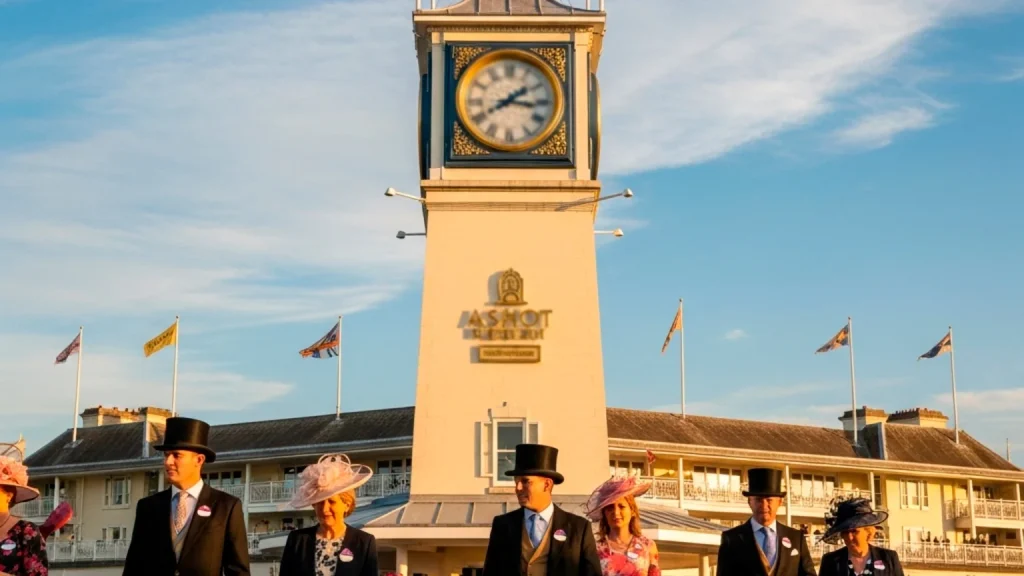
Royal Ascot runs across five days in June, transforming the Berkshire racecourse into the centre of the flat racing world. Each day follows a similar structure — seven races spread through the afternoon and early evening — but the character of the racing shifts dramatically from Tuesday to Saturday. Knowing the schedule allows you to plan your betting, whether you’re focusing on specific races or spreading your interest across the entire meeting.
Timing matters for more than just watching the races. Odds release at different points throughout the morning, prices move as the afternoon progresses, and the settlement of earlier bets can influence your approach to later events. Understanding when things happen creates opportunities that casual followers miss.
This guide lays out the complete timetable for Royal Ascot 2026, covering race times for each day, the feature events that anchor the card, and practical considerations for planning your betting around the schedule. The festival follows established patterns, and knowing what to expect helps you arrive prepared.
Day-by-Day Schedule
Tuesday: Opening Day
The festival begins at 2:30pm with the first race. Seven races follow at intervals of approximately 35 minutes, with the final event scheduled around 6:10pm. Tuesday establishes the tone for the week, featuring the Queen Anne Stakes as its centrepiece. This Group 1 mile contest traditionally kicks off the meeting’s feature action, drawing previous winners and emerging stars for an examination of early-season form.
The Coventry Stakes provides Tuesday’s other major talking point, serving as a championship two-year-old race that often identifies future Classic contenders. Supporting contests include competitive handicaps and conditions races that fill the card between feature events.
Wednesday: Prince of Wales’s Day
Wednesday mirrors Tuesday’s structure, with gates opening in the morning and racing commencing at 2:30pm. The Prince of Wales’s Stakes, run over ten furlongs at Group 1 level, headlines the action. This middle-distance championship regularly attracts the best older horses in training, offering a test that bridges sprint and staying categories.
The Duke of Cambridge Stakes provides Group 2 action for fillies and mares over a mile, while the Royal Hunt Cup — a cavalry charge handicap over the straight mile — draws enormous betting interest with its unpredictable large-field chaos.
Thursday: Gold Cup Day
Thursday brings the Gold Cup, Royal Ascot’s most prestigious race and the ultimate test of stamina in British flat racing. Run over two and a half miles, the Gold Cup demands qualities that separate genuine stayers from horses merely able to get a trip. The afternoon also coincides with Ladies’ Day, adding a fashion element that draws increased attendance and media coverage.
Thursday regularly attracts the festival’s second-highest crowd. Attendance figures show the day drew 65,718 racegoers in 2025, reflecting both the Gold Cup’s appeal and the broader Ladies’ Day tradition. The supporting card features the Norfolk Stakes for speedy juveniles and the Ribblesdale Stakes for staying fillies.
Friday: Commonwealth Cup Day
Friday’s feature is the Commonwealth Cup, a Group 1 sprint for three-year-olds that identifies the fastest horses of the classic generation. The race often previews future performances at the highest level, with previous winners going on to dominate sprint divisions in subsequent seasons.
The Coronation Stakes provides Group 1 action for three-year-old fillies over the round mile, typically attracting graduates of the 1,000 Guineas. Friday’s card balances speed and stamina, with races ranging from five furlongs to two miles.
Saturday: Festival Finale
Saturday draws the largest attendance of the week, with 71,073 racegoers passing through the gates in 2025 — the highest single-day figure across the festival. The Diamond Jubilee Stakes, a Group 1 sprint over six furlongs, typically decides the division’s championship for the first half of the season.
The Hardwicke Stakes offers high-quality middle-distance racing, while the Wokingham Stakes provides the week’s other major cavalry charge handicap. The final race of the festival runs around 6:10pm, closing a meeting that will have staged 35 races across five days.
Feature Races Timing
Royal Ascot stages eight Group 1 races across the five days, representing more than 20% of all Group 1 flat races run in Britain during a calendar year. These feature events typically occupy the 4:20pm slot, though scheduling varies slightly depending on the day’s overall programme. The Queen Anne on Tuesday, Prince of Wales’s on Wednesday, Gold Cup on Thursday, Commonwealth Cup and Coronation Stakes on Friday, and Diamond Jubilee on Saturday all command the midafternoon attention slot.
Group 2 and Group 3 contests fill supporting slots, usually appearing in the 3:05pm and 3:45pm windows. These races often feature horses stepping up or returning from higher levels, offering fascinating betting puzzles. The St James’s Palace Stakes, another Group 1, runs on Tuesday at approximately 4:20pm, making the opening day particularly concentrated with top-level action.
Handicaps occupy various slots but frequently anchor the 2:30pm opening or the 5:35pm penultimate race. The Royal Hunt Cup, Wokingham Stakes, and other big-field betting contests run at times calculated to maximise betting interest and television coverage.
ITV broadcasts extensive coverage throughout the meeting, typically going on air around 1:30pm and continuing until after the final race. This coverage influences betting patterns, with casual viewers entering the market during television build-ups and often backing horses highlighted by broadcast analysts. Recognising this dynamic can inform timing decisions about when to place bets relative to televised discussion.
International interest means betting continues from worldwide markets. While British and Irish prices dominate, Australian, Hong Kong, and European markets remain active, particularly on Group 1 races. Price movements in these markets sometimes foreshadow shifts in British prices, providing early signals for punters monitoring global activity.
The festival’s concentrated schedule means seven races unfold within approximately three and a half hours each day. This pace leaves limited time for extended analysis between events. Punters who prepare their positions in advance, rather than reacting to each race as it appears, often manage the day’s action more comfortably.
Planning Your Betting Day
Odds for Royal Ascot races typically appear the evening before, with initial prices posted by major bookmakers between 8pm and 10pm. These overnight markets offer the first opportunity to secure prices, though thin liquidity means odds can shift dramatically from evening to morning as money enters the market.
Morning refinement happens between 7am and 11am, when serious betting volumes appear. Prices during this window often represent the best available for selections that will shorten, as news filters through and sentiment builds. Conversely, horses that will drift tend to hold their morning prices, making this window appropriate for backing likely shorteners while reserving drift candidates for later.
Final market formation occurs from 11am until post time. Late money shapes starting prices, with significant moves sometimes happening in the final minutes before a race. Punters with Best Odds Guaranteed protection can afford to bet earlier, knowing late drift will be captured. Those without BOG protection face more difficult timing decisions.
Felicity Barnard, CEO of Ascot Racecourse, reflected on the festival’s appeal: “It was a fantastic week with some brilliant sport to enjoy.” The combination of quality racing and substantial betting interest creates a unique atmosphere that influences how markets behave. Understanding this helps calibrate expectations about price movements and betting opportunities.
Managing multiple races across the day requires discipline. With seven races every 35 minutes, the temptation to bet every event can outpace thoughtful selection. Setting a daily budget and target number of bets before the first race helps maintain focus. Some punters concentrate on feature events only, while others find value in less-scrutinised handicaps. Either approach works better than undisciplined blanket coverage.
Tracking your positions throughout the day keeps running totals clear. Winning bets from earlier races might fund afternoon selections, or early losses might prompt more conservative later betting. Knowing where you stand financially prevents the confusion that can arise from a day of high-tempo betting activity.
Weather monitoring adds another planning dimension. Ascot’s turf responds to rainfall, and forecasts on the morning of racing can trigger price adjustments for horses with strong ground preferences. Checking conditions before finalising selections prevents backing horses disadvantaged by track state.
Responsible Gambling
Five days of racing presents five opportunities for both enjoyment and excess. The concentrated schedule can compress betting activity into intense periods, making it easier to lose track of overall stakes and results. Setting daily limits before the festival begins — and sticking to them regardless of how individual days unfold — keeps the meeting enjoyable throughout.
The festival atmosphere encourages participation, but not every race requires a bet. Watching some races purely as a spectator preserves both bankroll and attention. The most successful punters often bet fewer races than casual followers assume, focusing their activity on situations where they perceive genuine value.
If you need support with gambling-related concerns, GambleAware and GamCare offer free, confidential help. All UK-licensed bookmakers provide tools including deposit limits, loss limits, and self-exclusion options that can help manage betting activity during high-profile events like Royal Ascot.