
Royal Ascot Free Bets 2026: Compare UK Betting Offers
 Available in US
Compare the best Royal Ascot free bets from UK-licensed bookmakers. Expert analysis of welcome bonuses, enhanced odds, and existing customer offers for Britain's premier racing festival.
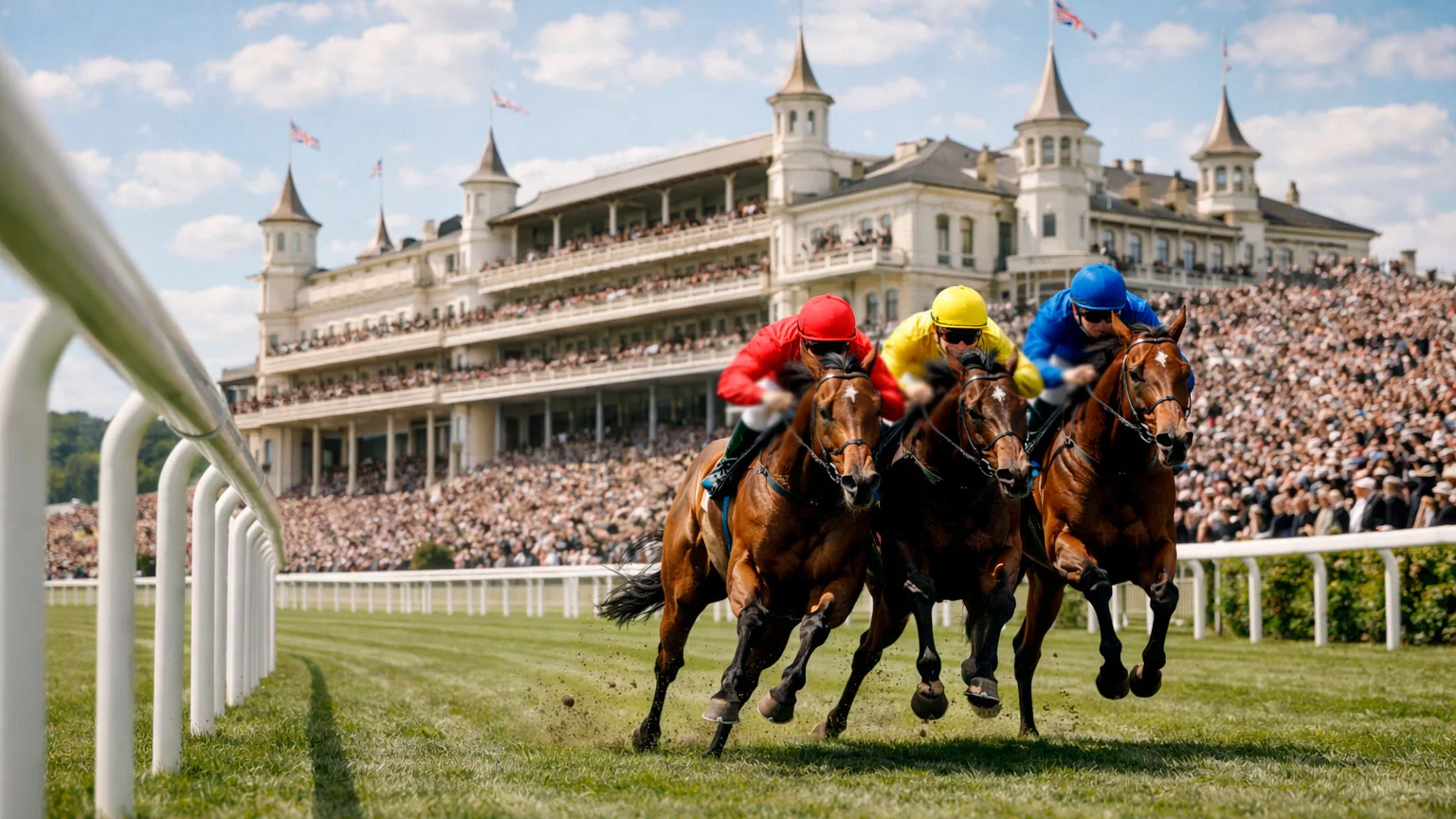
Britain's premier racing festival draws more punters than any other meeting on the calendar, and bookmakers know it. Royal Ascot 2025 welcomed 286,541 visitors across five days, a 4.8% jump from the previous year, according to Thoroughbred Daily News. With over £10 million in prize money distributed and eight Group 1 races representing more than 20% of all Group 1 contests held in the United Kingdom annually, the festival commands attention from casual observers and seasoned punters alike.
Free bets flood the market every June for a reason. The five-day meeting generates enormous betting turnover, and bookmakers compete fiercely for new customers. A well-chosen free bet offer can add genuine value to your festival experience, but only if you understand what you're actually getting. Not all £20 free bets are worth £20. Some carry wagering requirements that erode their value. Others restrict the markets you can use them on or impose minimum odds that force you toward riskier selections.
This guide cuts through the promotional noise. We compare the real value of current offers from UK-licensed bookmakers, explain exactly how free bets work, and provide practical strategies for maximising your returns during Royal Ascot week. Whether you're claiming your first welcome bonus or hunting for the best existing customer promotions, you'll find the analysis you need to make informed decisions. We also cover the regulatory landscape, including affordability checks and their potential impact on your betting experience, because understanding the rules matters as much as understanding the odds.
The UK gambling industry generated £16.8 billion in gross gaming yield during the 2024-25 financial year, according to the UK Gambling Commission. Remote gambling now accounts for 60% of the market excluding lotteries, up from just 15% in 2012-13, according to HM Treasury research. Royal Ascot sits at the intersection of tradition and technology, a heritage event where most bets are now placed on smartphones rather than at trackside bookmakers. The offers you'll find here reflect that shift.
Finding Top Royal Ascot Betting Offers and Promotions
- How to calculate the real value of free bets beyond the headline figure, including the impact of wagering requirements and stake-not-returned conditions.
- Why existing customer promotions often deliver better value than welcome bonuses during festival week, with daily price boosts and extra places offers worth watching.
- Which betting approaches suit Royal Ascot's big-field handicaps, where each-way value frequently outperforms win-only selections.
- Key terms and conditions to scrutinise before claiming any offer, from minimum odds restrictions to excluded payment methods.
- Resources for responsible gambling and understanding the new affordability check thresholds that may affect your account.
How Free Bets Work: Mechanics, Types, and Real Value

The phrase "free bet" promises something for nothing, but the reality requires closer examination. A free bet allows you to place a wager without risking your own money, yet the mechanics determine how much value you actually extract. Understanding these mechanics separates punters who benefit from promotions from those who wonder why their winnings fell short of expectations.
The most common structure is stake-not-returned. When you win a free bet, you receive only the profit portion of your bet. Place a £20 free bet at 5.0 odds (4/1) and win, and you receive £80 rather than the £100 you would get from a cash bet at the same odds. The £20 stake was never really yours to keep. This structure reduces the real value of most free bets to approximately 70-80% of their face value, depending on the odds you choose and your betting strategy.
Stake-returned free bets exist but are considerably rarer. These work exactly like cash bets, with both stake and profit paid out on winning selections. When you encounter one, it genuinely represents its full face value. Check the terms carefully to confirm which type you're dealing with before calculating expected returns.
Three main distribution methods govern how bookmakers deliver free bets. Matched deposit offers credit your account with a free bet equal to your first deposit up to a stated maximum. Bet-and-get promotions require you to place a qualifying bet before receiving your free bet, typically demanding minimum odds and specific market types. No-deposit bonuses arrive simply for registering an account, though these usually come with lower values and stricter wagering requirements.
Wagering requirements, often called turnover requirements, dictate how many times you must bet through bonus funds before withdrawing winnings. A 5x wagering requirement on a £20 free bet means placing £100 in total bets. Requirements rarely apply to initial free bets from welcome offers at horse racing bookmakers, but bonus cash promotions and casino-style offers frequently carry them. The Gambling Commission pilot found that 95% of 530,000 affordability checks passed through "frictionless assessment" via credit reference agencies, a detail worth noting when considering how seamlessly most customers move through verification processes.
Calculating Real Free Bet Value
Assume a £20 stake-not-returned free bet. If you place it on a 3.0 (2/1) selection, your expected return depends on the implied probability. At true 33% odds, your expected profit is £20 × 2 × 0.33 = £13.20. The free bet's real value is not £20 but roughly £13-14 depending on your selection strategy. Higher odds increase potential returns but decrease probability, keeping expected value relatively stable across sensible selections.
Time limits add another dimension. Most free bets expire within 7 days of being credited, though some welcome offers extend this to 30 days. Royal Ascot runs from Tuesday to Saturday, giving you five days of racing to deploy your free bets if timing aligns. Using free bets on longer-odds selections in big-field handicaps represents one common approach, accepting lower win probability in exchange for potentially larger returns when the stake isn't at risk anyway.
Best Royal Ascot Free Bet Offers for 2026
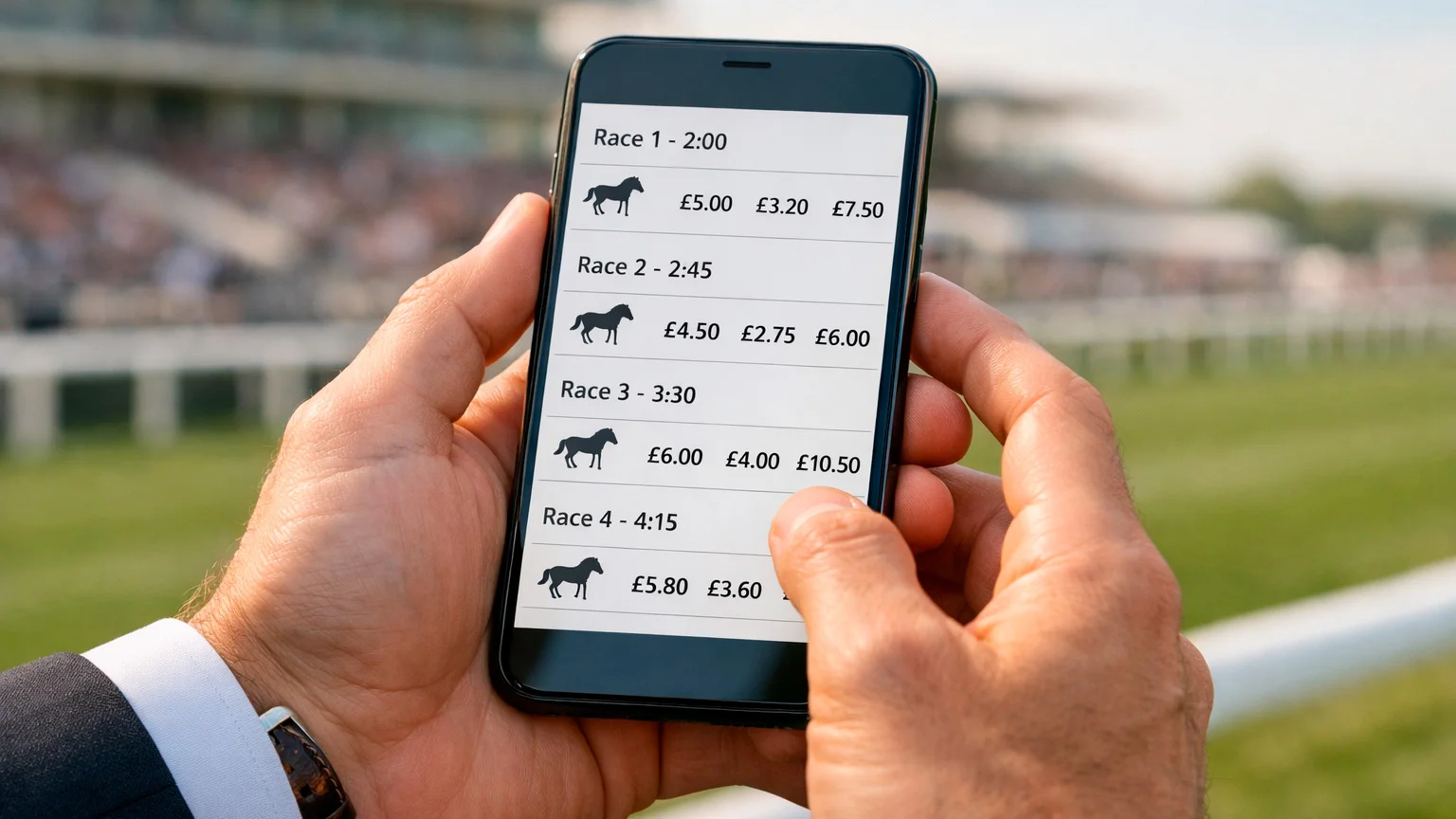
Selecting the best value offers requires looking beyond headline figures. A £40 free bet sounds better than £20, but wagering requirements, minimum odds restrictions, and eligible markets can flip that calculation entirely. The offers below represent strong current options from UK-licensed bookmakers, evaluated on real terms rather than promotional claims.
Bet365
Bet Credits available for new customers at bet365. Min deposit £10. Bet Credits available for use upon settlement of bets to value of qualifying deposit. Min odds, bet and payment method exclusions apply. Returns exclude Bet Credits stake. Time limits and T&Cs apply.
Key considerations: Bet Credits must be used within 30 days, and minimum odds of 1/5 apply for the qualifying bet. The Bet Credits themselves carry no minimum odds requirement, giving flexibility for Royal Ascot selections. Best Odds Guaranteed included on UK and Irish racing.
William Hill
New customers can access their welcome offer after registration and qualifying bet. Specific terms apply regarding minimum deposit, qualifying bet requirements, and free bet validity periods.
Key considerations: William Hill's horse racing coverage extends to daily price boosts and extra places offers for existing customers during major meetings. Their Royal Ascot specials typically include enhanced each-way terms on selected races.
Paddy Power
New customers receive their offer after placing a qualifying bet. Terms include minimum odds requirements and payment method restrictions.
Key considerations: Paddy Power often runs money-back specials during Royal Ascot, returning stakes as free bets if your horse finishes second to the favourite or gets beaten by a short-head. These promotions apply to all customers, not just new accounts.
Betfair Sportsbook
New customer offers available with qualifying bet requirements. Minimum odds and time limits apply.
Key considerations: Betfair combines sportsbook offers with access to the Betfair Exchange, where you can lay horses to trade positions or lock in profit. During Royal Ascot, liquidity on Exchange markets reaches its peak, making it worthwhile to understand both platforms.
Ladbrokes
Welcome bonus available for new customers meeting qualifying criteria.
Key considerations: Ladbrokes typically offers daily Royal Ascot specials including odds boosts on selected runners, extra places on handicaps, and accumulator insurance. Their grid card provides downloadable form at a glance for each race.
Coral
New customer offer with standard qualifying bet requirements and free bet terms.
Key considerations: Coral shares a parent company with Ladbrokes, and their Royal Ascot promotions often mirror each other. Worth checking both to compare any variations in extra places races or enhanced odds selections.
These offers change frequently, and promotional terms may vary by registration date. Always read the full terms and conditions directly on each bookmaker's website before claiming. Payment method restrictions commonly exclude e-wallets like Skrill and Neteller from qualifying deposits, so plan accordingly.
Bookmaker Comparison: Side-by-Side Analysis
Comparing bookmakers requires looking at the complete package rather than individual features. A generous welcome offer means little if the bookmaker lacks Best Odds Guaranteed on horse racing or charges for live streaming. The table below provides a side-by-side comparison of major UK operators across the criteria that matter most for Royal Ascot betting.
| Bookmaker | Welcome Offer Structure | Best Odds Guaranteed | Live Streaming | Existing Customer Promos | Mobile App Rating |
|---|---|---|---|---|---|
| Bet365 | Bet Credits matching deposit | Yes - UK & IRE | Yes - free with funded account | Daily offers, early payout | 4.6/5 |
| William Hill | Bet and get structure | Yes - UK & IRE | Yes - requires bet in last 24h | Price boosts, extra places | 4.5/5 |
| Paddy Power | Money back as free bet | Yes - UK & IRE | Yes - funded account | Money back specials | 4.6/5 |
| Betfair Sportsbook | Free bet on qualifying bet | Yes - UK & IRE | Yes - with pending bet | Odds boosts, Acca Edge | 4.4/5 |
| Ladbrokes | Bet and get structure | Yes - UK & IRE | Yes - funded account | Daily boosts, extra places | 4.4/5 |
| Coral | Bet and get structure | Yes - UK & IRE | Yes - funded account | Acca insurance, boosts | 4.4/5 |
| Sky Bet | Bet and get structure | Yes - UK & IRE | Yes - via Sky Go for subscribers | Sky Boost, Request A Bet | 4.5/5 |
| Betfred | Bet and get structure | Yes - UK & IRE | Yes - funded account | Double Delight/Hat-Trick Heaven | 4.3/5 |
Best Odds Guaranteed deserves particular attention for Royal Ascot betting. This feature pays out at SP (Starting Price) if it exceeds the price you took when placing your bet. During a major festival, significant market moves occur between ante-post and off time as money floods in. BOG protects you from taking an early price that drifts, while still allowing you to benefit if the horse steams in.
"We have worked really hard across the year to understand what people want when they come to a world-class event like this – the right pricing, the right product – and we've worked really hard at the experience." — Felicity Barnard, CEO, Ascot Racecourse
Live streaming quality varies between bookmakers, though most now offer smooth coverage of UK racing including all Royal Ascot races. The requirement to have a funded account or pending bet to access streams means you'll need active accounts with your chosen operators before the meeting starts. ITV broadcasts the meeting on terrestrial television for those who prefer traditional coverage.
Our methodology weighs factors based on relevance to festival betting. Welcome offer headline values count for less than the practical terms surrounding them. Existing customer promotions receive higher weighting than they would for one-time bettors, since Royal Ascot spans five days and daily promotions accumulate meaningful value. App reliability matters when you're placing bets in the minutes before a race from a crowded enclosure.
How to Claim Your Free Bet: Step-by-Step Process
Claiming a free bet sounds simple, yet details trip up many new customers. Following the process correctly ensures your free bet arrives in your account ready for Royal Ascot. Cutting corners during registration or using an excluded payment method can void your eligibility entirely.
Begin by selecting a bookmaker offer that matches your needs. Click through to the registration page directly from the promotional material, as some offers require specific landing pages to activate. Complete the registration form with accurate personal details. Your name, address, and date of birth must match the identification documents you'll later submit. Discrepancies cause delays at best and account closures at worst.
Deposit the qualifying amount using an eligible payment method. Most welcome offers exclude Skrill, Neteller, and PayPal from qualifying deposits, steering you toward debit cards or bank transfers. The minimum deposit typically ranges from £5 to £20 depending on the offer. Depositing exactly the minimum suffices unless the offer rewards higher amounts with proportionally larger bonuses.
Place your qualifying bet within the specified timeframe, usually 7 days of registration. Pay close attention to minimum odds requirements, which commonly sit at 1/2 (1.50) or evens (2.0). Single bets generally count where accumulators may not, though some offers specify market types more precisely. Your qualifying bet must settle before your free bet credits.
Once the qualifying bet settles, your free bet appears in your account. Check the "My Bets" or "Free Bets" section rather than your cash balance. Free bets sit separately and must be selected specifically when placing a wager. The stake dropdown on your betslip should show available free bets alongside cash options.
Key Terms to Verify Before Claiming
Minimum odds for qualifying bet: check whether ante-post markets and certain race types count. Payment method exclusions: e-wallets typically void bonus eligibility. Time limits: qualifying bets and free bet use both carry expiry dates. Market restrictions: some free bets exclude certain bet types like forecasts or ante-post. One account per person: bookmakers share fraud detection systems and will void duplicate accounts.
Verification requirements have tightened across the industry. Expect to provide photo ID (passport or driving licence) and proof of address (utility bill or bank statement dated within three months). Some bookmakers request this before your first withdrawal; others require it before your first bet. Complete verification early to avoid delays when you want to withdraw Royal Ascot winnings.
Financial vulnerability checks now trigger at lower thresholds. As of February 2025, the threshold dropped to £150 in net deposits over 30 days, down from £500 previously, according to the House of Commons Library. These checks use credit reference agency data and typically complete within seconds without requiring you to upload payslips. However, be aware that your betting activity is now monitored against financial indicators more closely than in previous years.
Most free bets credit within minutes of your qualifying bet settling, though some offers specify "within 24 hours" or "before first race the following day." Plan accordingly if you're trying to use a welcome offer during Royal Ascot week itself.
Types of Betting Offers Explained
With your account verified and free bets credited, the next question becomes which type of promotion delivers the best value for your betting style. Bookmaker promotions fall into distinct categories, each with its own mechanics and value proposition. Understanding these types helps you identify which offers genuinely benefit your betting approach and which serve primarily as marketing hooks.
Welcome Offers: The Bet-and-Get Structure
New customer offers form the cornerstone of bookmaker acquisition strategies. The standard structure requires you to register, deposit, place a qualifying bet, and receive a free bet once that bet settles. Variations exist, but this bet-and-get model dominates the UK market.
Minimum odds requirements typically sit between 1/2 and evens for the qualifying bet. This prevents customers from placing ultra-low-odds bets on heavy favourites to unlock bonuses with minimal risk. You need a genuine selection with reasonable uncertainty. Horse racing qualifies almost universally, making Royal Ascot an ideal time to claim these offers.
The free bet itself usually operates as stake-not-returned. Your £30 free bet wins at 3/1, and you receive £90 in profit rather than £120 total. This detail matters when comparing offers of different sizes. A £40 free bet at 70% real value equals £28 in expected return, potentially less than a £30 bet with better conditions.
Market restrictions can limit how you deploy welcome free bets. Some bookmakers exclude ante-post markets, forecasts, or specific bet types. Others require you to use the free bet on the same sport as your qualifying bet. These restrictions reduce flexibility but rarely prevent sensible use during a major racing festival.
One account per person rules apply strictly. Bookmakers share data and identify duplicate registrations by payment method, IP address, device fingerprints, and personal details. Attempting to claim multiple welcome offers from the same bookmaker results in account closure and forfeiture of any winnings. Household members can legitimately hold separate accounts, but overlapping payment methods or shared devices invite scrutiny.
Enhanced Odds and Price Boosts
Price boosts artificially inflate the odds on selected events, offering above-market prices for specific outcomes. Bookmakers absorb the cost as a promotional expense, banking on the exposure generated when customers share their boosted winners on social media. For punters, these boosts represent genuine additional value when available on selections you would have backed anyway.
Daily price boosts appear throughout Royal Ascot week, typically on feature race favourites or popular selections. A 5/1 shot boosted to 7/1 increases your potential return by 40% on the same stake. The catch lies in maximum stake limits, which commonly restrict boosted odds bets to £10 or £20. You cannot pile thousands on a mispriced boost.
Race-specific super boosts emerge for big events like the Gold Cup or Queen Anne Stakes. These often carry even lower maximum stakes but higher margin advantages. A horse priced at 3/1 across the market might be boosted to 5/1 with a £5 maximum stake, limiting your potential profit but still representing excellent value for modest wagers.
Timing matters with price boosts. Early morning boosts may disappear or change by afternoon if market conditions shift. Bookmakers reserve the right to remove or alter boosts at any time before you place your bet. If you spot a valuable boost, act promptly rather than waiting for closer to post time.
Existing Customer Offers: Loyalty and Daily Promotions
Existing customer promotions receive less attention than welcome bonuses but often deliver superior cumulative value during a major festival. Five days of daily offers can easily exceed the one-time benefit of a new account bonus, particularly for active bettors placing multiple wagers per day.
Extra places offers extend the place terms on selected handicap races. Instead of paying 1/4 odds on the first three places, a bookmaker might pay four or five places on a 20-runner handicap. This significantly increases the likelihood of return on each-way bets, as your place portion covers more of the field. Big-field Royal Ascot handicaps like the Royal Hunt Cup or Wokingham regularly attract extra places promotions.
Daily free bet clubs reward regular activity. Bet a specified amount across the week and receive a free bet for the weekend. During Royal Ascot, some bookmakers offer accelerated versions, crediting free bets daily for qualifying wagers. These promotions require opting in, usually through a promotional section of the website or app. Miss the opt-in and your activity may not count.
Loyalty schemes accumulate points on every bet, redeemable for free bets or other rewards. The value varies dramatically between bookmakers. Some schemes return less than 0.5% in rewards, while others approach 2-3% for frequent bettors. During intensive betting periods like Royal Ascot, these percentages translate into meaningful sums.
Money back specials appear frequently during major meetings. Stake returned as a free bet if your horse finishes second, loses by a short head, or falls at the last. These promotions apply to win bets and effectively add insurance value without cost. The free bet return doesn't match cash, but partial protection on losing selections adds up across multiple races.
Accumulator Insurance: Protecting Your Multi-Leg Bets
Accumulator insurance refunds your stake as a free bet if one selection lets down an otherwise successful multi-leg bet. The heartbreak of a five-fold falling at the final hurdle transforms into a consolation prize rather than complete loss. This softens the variance inherent in accumulator betting.
Minimum leg requirements typically demand four or five selections before insurance applies. A Lucky 15 (four selections across 15 bets) or five-fold accumulator would qualify. Trebles and smaller accumulators rarely attract insurance offers. Each leg usually requires minimum odds, commonly 1/5 or 1/4, excluding ultra-short-priced bankers from your selections.
The refund arrives as a free bet rather than cash, continuing the stake-not-returned pattern. If your £20 five-fold loses by one leg and you receive a £20 free bet, that free bet's real value sits around £14-16 depending on your subsequent use. Still, recovering most of your stake beats losing everything.
Some bookmakers offer Acca Edge or similar products that allow you to cash out accumulator insurance value during the bet. Others limit you to the full free bet refund if exactly one leg fails. Check whether partial cash out cancels your insurance protection before making decisions mid-race.
Horse racing accumulators across a single day's card make natural candidates for these offers. Royal Ascot's seven-race card provides ample selections, though correlation between races (same trainer having multiple runners, similar ground preferences) adds complexity beyond simple accumulator maths.
Royal Ascot 2026: Festival Highlights and Key Races
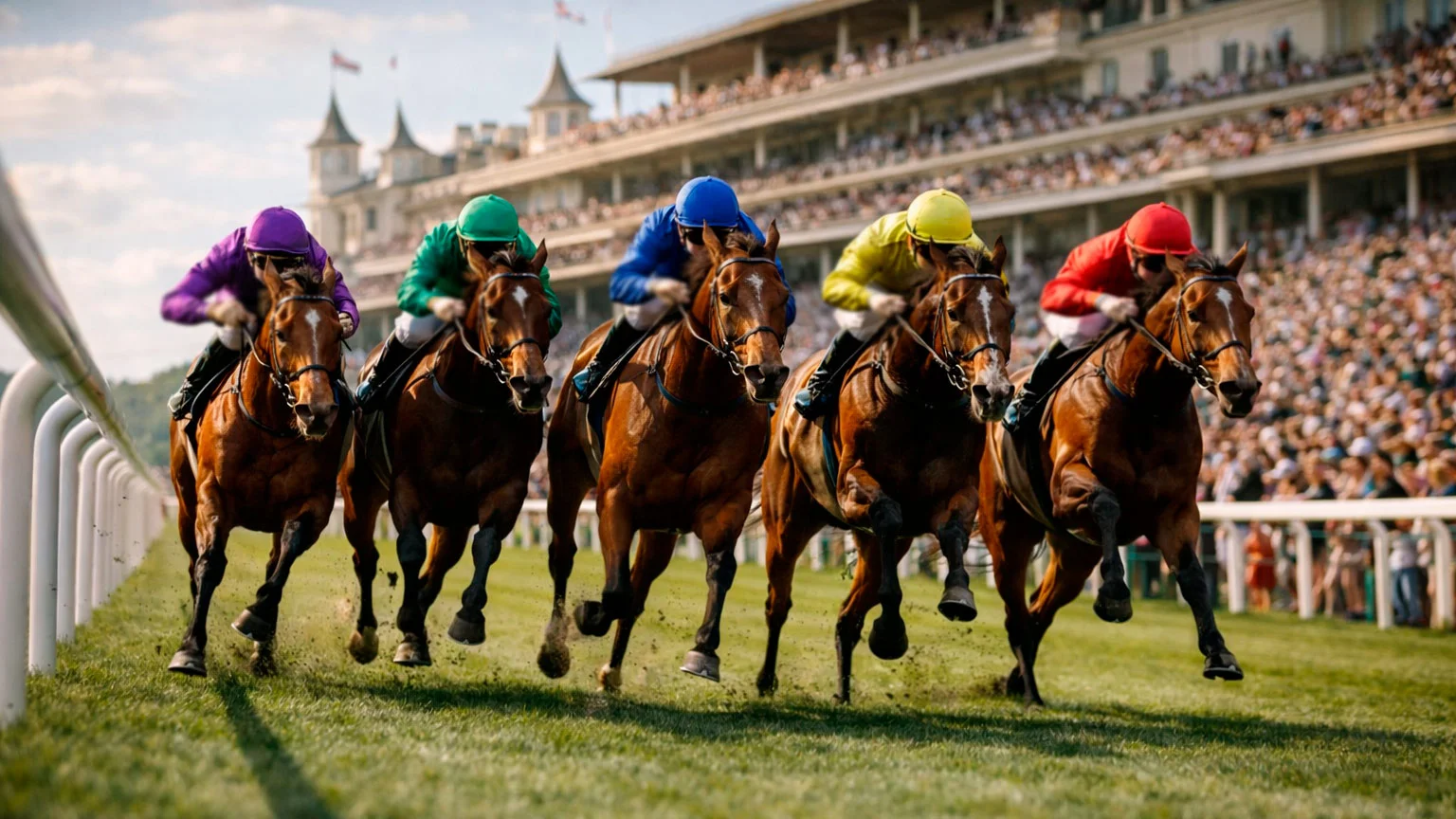
Royal Ascot condenses five days of championship-level racing into a June window that defines the Flat season. Eight Group 1 races represent over 20% of all Group 1 contests held annually in the United Kingdom, making this the single most important week on the British racing calendar. The 2025 meeting set records for attendance and prize money, establishing a template for 2026 to build upon.
Daily attendance in 2025 peaked on Saturday with 71,073 visitors, while Gold Cup Thursday drew 65,718 fans according to BloodHorse. The Tuesday opener attracted 45,551 racegoers, demonstrating strong demand even on a midweek afternoon. These figures translate directly into betting market liquidity, with more money flowing through Ascot in one week than most courses see in a season.
Interactive Tool
National Group 1 Total, and Remote Gambling Growth
Back out the UK's total annual Group 1 race count from Ascot's stated share, and calculate the exact percentage-point rise in remote gambling's market share.
UK Group 1 Races Annually
-
-
Ascot Group 1s
-
Ascot Share
Elsewhere in UK
-
What this guide gives as a share without the total: "Eight Group 1 races representing more than 20% of all Group 1 contests held in the United Kingdom annually." The national total is never calculated — it's 40 races, meaning 32 Group 1s run somewhere other than Ascot each year.
Percentage-Point Rise
-
-
2012-13 Share
-
Current Share
-
Growth Multiple
-
What this guide gives as two figures without the gap: "Remote gambling now accounts for 60% of the market excluding lotteries, up from just 15% in 2012-13." The rise itself is never stated — it's +45 percentage points, a 4x increase in share.
Tuesday opens with the Queen Anne Stakes, a Group 1 mile race that sets the tone for the meeting. The Coventry Stakes showcases the best two-year-olds, often revealing future Classic contenders. Punters seeking value frequently target the opener, where track conditions and early-season form create uncertainty that odds may not fully reflect.
Wednesday's highlight is the Prince of Wales's Stakes, a ten-furlong Group 1 that attracts proven middle-distance performers. The Royal Hunt Cup, a heritage handicap over a mile, provides a big-field betting opportunity with often unpredictable results. Handicaps at Royal Ascot carry significant each-way value due to competitive, large fields.
Thursday combines the Gold Cup, a two-and-a-half-mile staying test that represents the pinnacle of stamina racing, with Ladies' Day traditions drawing the week's largest crowds. The Ribblesdale Stakes offers Group 2 action for three-year-old fillies over middle distances, while the Britannia Handicap presents another 20+ runner cavalry charge.
Friday features the Commonwealth Cup, a Group 1 sprint for three-year-olds that has produced multiple future stars since its introduction. The Coronation Stakes completes the three-year-old filly Group 1 programme. The Wokingham Stakes, a heritage sprint handicap, delivers another of those chaotic, wide-open betting heats that define Royal Ascot for many punters.
Saturday closes the meeting with the Diamond Jubilee Stakes, a Group 1 sprint that draws international raiders alongside the best British and Irish speedsters. The Hardwicke Stakes provides Group 2 depth, and the Queen Alexandra Stakes offers the longest race of the meeting at nearly two and three-quarter miles.
"It was a fantastic week with some brilliant sport to enjoy. I think we've been a window for our sport." — Felicity Barnard, CEO, Ascot Racecourse
Prize money reached record levels in 2025, with over £10 million distributed across the five days. The minimum purse for any race stood at £110,000, while Group 1 contests carried at least £650,000 according to Racehorse Owners Association. This prize money attracts the best horses from around the world, elevating field quality and betting interest alike.
Strategic Betting at Royal Ascot

Royal Ascot rewards preparation and discipline. The sheer volume of betting opportunities across 35 races can overwhelm, leading to impulsive wagers and depleted bankrolls by Thursday. Strategic bettors approach the festival with a framework rather than a blank slate, allocating resources across the week rather than chasing losses race by race.
Each-way betting delivers consistent value in big-field handicaps. When 20 or more horses contest a race, the place portion of your each-way bet covers the first four finishers at one quarter the win odds. Extra places promotions extend this further. A 20/1 shot finishing fourth returns five times your place stake. In chaotic sprints like the Wokingham, backing multiple each-way outsiders can produce results across a range of outcomes.
Pro Tip: Free Bet Deployment
Reserve free bets for longer-odds selections. Since the stake isn't returned anyway, you lose nothing by backing 16/1 shots instead of 3/1 favourites. The lower probability gets offset by higher potential returns, and free bet value tends toward longer prices mathematically.
The Horserace Betting Levy Board reported a levy yield of £108.9 million for 2024-25, the fourth consecutive year of growth and the highest since the 2017 reforms, according to the HBLB Annual Report. This funding sustains prize money that attracts quality fields, creating the competitive racing that makes Royal Ascot worth betting on in the first place.
Ante-post betting presents a different risk profile. You can secure prices months ahead of the meeting, potentially catching value before market corrections. The trade-off is non-runner risk: if your horse doesn't make the race, you lose your stake entirely. Some bookmakers offer non-runner money back on ante-post bets for major festivals, which transforms the calculation. Without that protection, ante-post suits confident selections where you expect prices to shorten.
Pro Tip: Bankroll Allocation
Divide your Royal Ascot betting bankroll into five daily portions plus a reserve. Losing Tuesday's allocation hurts less when you've protected funds for the remaining days. The reserve covers opportunities that emerge mid-week, whether that's a promising horse stepping up in trip or a trainer hitting form.
Live betting during races suits punters who follow the action closely. Prices fluctuate dramatically as the race unfolds, offering value on horses travelling well but not yet in contention. The danger lies in chasing momentum: a horse who looks well positioned with two furlongs to run might be running on empty by the final furlong. Discipline separates successful in-play bettors from those who compound losses.
Cash out options tempt profits and limit losses, but they come at a cost. The cash out value offered always favours the bookmaker, building in margin on top of current odds. Taking £50 when you could win £100 might make sense emotionally, but repeatedly accepting suboptimal cash outs erodes long-term returns. Use cash out sparingly, not as a default.
Pro Tip: Tracking and Record Keeping
Record every bet with stake, odds, and result. At the end of Royal Ascot, you want data not memories. Patterns emerge over time: perhaps you consistently find value in handicaps but lose on Group races, or your Tuesday selections outperform Friday's. Without records, you're guessing.
Weather affects ground conditions and race outcomes. Ascot's well-drained course handles rain better than most, but persistent wet weather still produces soft ground that favours certain running styles. Check the going report before finalising selections and consider whether your fancies handle conditions. A horse with excellent fast-ground form becomes a risky proposition on heavy going.
Terms and Conditions: What to Check Before You Bet
Terms and conditions protect bookmakers, but informed punters read them to protect themselves. The gap between advertised offers and practical value often hides in the fine print. A few minutes reading saves frustration, forfeited bonuses, and unexpected restrictions.
Minimum odds requirements appear in almost every promotion. The qualifying bet might require 1/2 minimum odds, while the free bet itself restricts you to evens or higher. These requirements push you away from near-certainties toward selections with genuine uncertainty. Check whether the minimum applies to each selection in an accumulator or to the overall price.
Time limits expire silently. Your free bet vanishes after 7 days whether you remembered to use it or not. Qualifying bets might need placing within 14 days of registration. Festival-specific promotions often expire at the end of the meeting. Set calendar reminders rather than trusting memory.
Payment method exclusions catch many new customers. Deposits via Skrill, Neteller, PayPal, and prepaid cards frequently disqualify you from welcome offers. The bookmaker still accepts your money, just not for promotional purposes. Use a debit card for qualifying deposits unless you've confirmed your preferred method counts.
Market restrictions narrow where you can deploy free bets. Ante-post markets, tote pools, forecasts, and certain exotic bet types commonly fall outside eligible use. Some offers specify horse racing only, while others extend to any sport. Know before you plan, not after you've tried to place the bet.
Red Flags in Promotional Terms
Wagering requirements on free bet winnings: if you must bet profits multiple times before withdrawal, real value drops substantially. Maximum win caps: a £500 maximum win from free bets limits upside on longer-odds selections. Restricted withdrawal methods: some bookmakers force withdrawals to original deposit method, complicating cashflow. Short validity periods: 24-hour free bets create pressure to use them poorly.
Regulatory changes affect promotional structures. Remote gaming duty rises from 21% to 40% from April 2026, according to the November 2025 Budget. General betting duty reaches 25% from 2027. These increases squeeze bookmaker margins, and promotional generosity historically correlates with profitability. Expect offers in 2026 and beyond to carry tighter terms as operators adjust to higher tax burdens.
One per customer clauses define scope broadly. "One bonus per customer, household, IP address, payment method, and device" covers most conceivable attempts at duplication. Family members in the same house can hold accounts, but any overlap in payment details or shared device usage invites investigation. Bookmakers share fraud prevention data, so violations catch up with you across multiple operators.
Best Odds Guaranteed terms include their own conditions. BOG might not apply to ante-post bets, bets placed on the Betfair Exchange, or certain promotional prices. Maximum payouts exist even with BOG, and the feature typically covers UK and Irish racing only. International racing at Royal Ascot, while less common than domestic runners, might fall outside BOG protection.
Frequently Asked Questions
What happens to my free bet if my horse is a non-runner at Royal Ascot?
Non-runner policies vary between bookmakers and depend on when you placed your bet. For bets placed after overnight declarations, most bookmakers refund your free bet in full if your horse is withdrawn before the race. Ante-post free bets carry more risk: many operators apply Rule 4 deductions to the remaining field rather than voiding your bet entirely. Some bookmakers offer non-runner money back on ante-post festival bets as a specific promotion. Check the exact terms for your chosen operator before committing free bets to selections that might not run. If your free bet does get refunded, it typically returns with the same value and validity period as the original credit.
Can I combine free bets with enhanced odds offers during Royal Ascot?
Generally, no. Price boost and enhanced odds promotions almost universally exclude free bets and bonus funds from eligible stakes. The boosted price applies only to cash bets, often with maximum stake limits of £10-£20. This restriction exists because bookmakers would face unsustainable losses if punters could stack above-market prices with zero-risk stakes. You can still use free bets on the same horse at normal odds while using cash for the boosted price, though this requires two separate bets. Some bookmakers let you split stakes partially, but check the specific rules for each promotion.
How quickly can I withdraw winnings from Royal Ascot free bets?
Withdrawal speed depends on verification status and payment method. If you completed identity verification before Royal Ascot, winnings from free bets enter your withdrawable balance immediately after the bet settles. First-time withdrawals may trigger additional verification requests, adding 24-72 hours to processing. Debit card withdrawals typically process within 1-3 banking days. E-wallets like PayPal often complete same-day. Bank transfers take 3-5 days. Remember that free bet winnings are stake-not-returned by default, so you receive only the profit portion. There are no wagering requirements on most standard welcome offer free bet winnings, meaning you can withdraw immediately rather than betting through your profits multiple times.
Responsible Gambling: Setting Limits and Finding Support
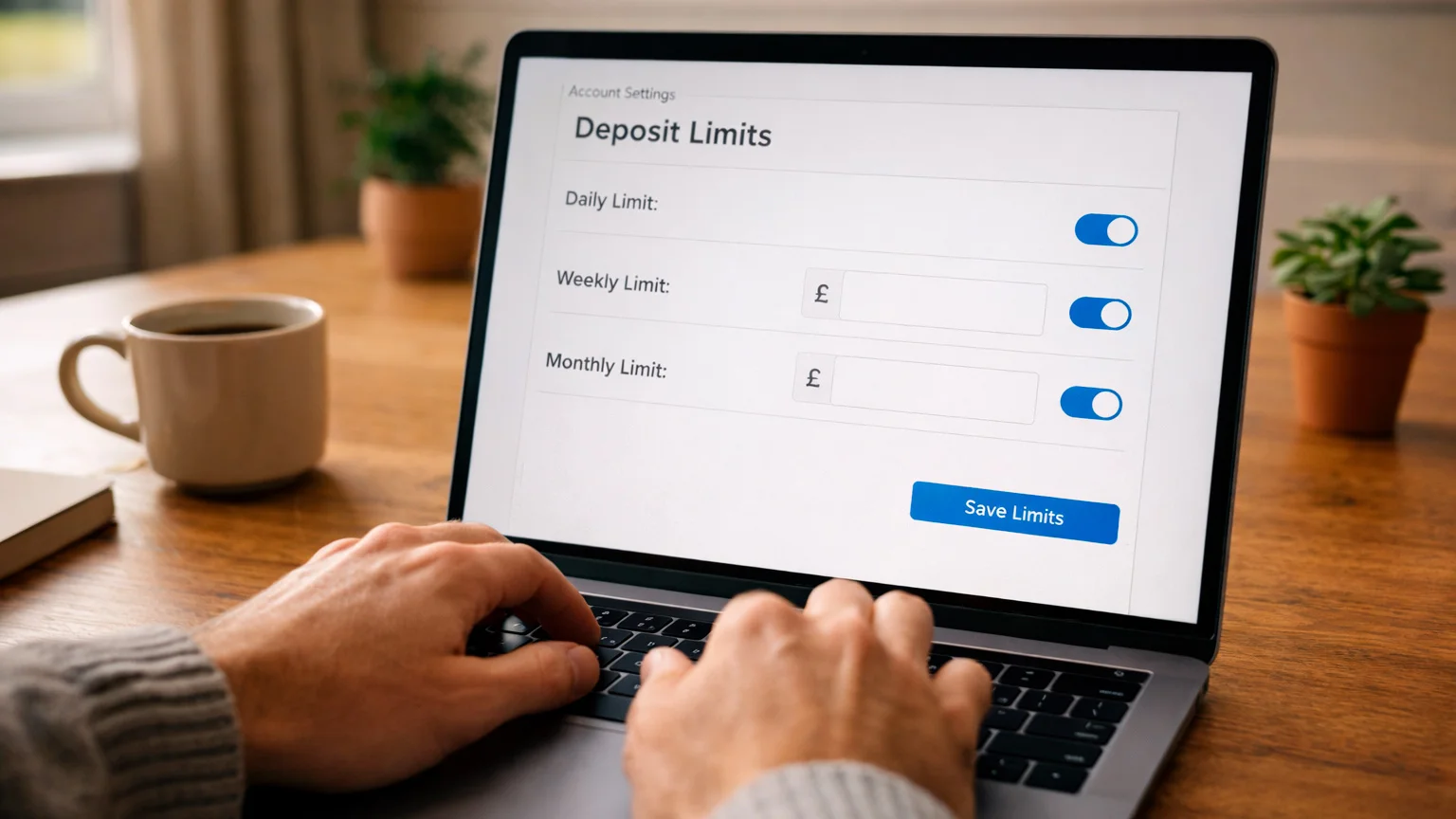
Betting on Royal Ascot should enhance your enjoyment of the meeting, not create financial or emotional strain. The excitement of a five-day festival can blur judgment, leading to decisions that seem reasonable in the moment but look different in hindsight. Setting limits before the meeting starts protects against escalation.
Every UK-licensed bookmaker provides deposit limit tools. You can cap daily, weekly, or monthly deposits at levels you genuinely afford to lose. These limits take effect immediately for reductions but require 24-48 hours for increases, providing a cooling-off period before you can chase losses. Session time limits offer another layer, logging you out automatically after a specified period.
Loss limits work alongside deposit caps. Set a maximum amount you're prepared to lose over the festival week, and the bookmaker prevents further betting once you hit that threshold. This differs from deposit limits because it accounts for wins and losses dynamically rather than simply capping incoming funds.
Reality checks interrupt betting sessions with summaries of time spent and money wagered. These notifications can feel intrusive but serve as useful moments of reflection during intensive betting periods. You might discover you've been logged in for three hours without realising, prompting a break and reassessment.
Self-exclusion removes your ability to gamble when other controls prove insufficient. Individual bookmakers offer self-exclusion for periods from six months to five years. GamStop provides multi-operator self-exclusion across all UK-licensed gambling sites with a single registration. Once enrolled, you cannot access online gambling with any participating operator for your chosen period.
"Bookmakers in a sense have a gamble here... checks could drive more players to the black market which would not only further harm horse racing's funding but also impact the regulation's ability to help and promote safer gambling." — James Stevens, Panellist, Horseracing Betting Forum
Affordability checks now intervene at lower spending levels. These automated checks use credit reference data to assess financial vulnerability without requiring you to upload documents. Most complete within seconds and create no friction for typical recreational bettors. However, they represent an additional layer of monitoring that didn't exist a few years ago.
Support organisations provide confidential help for anyone concerned about their gambling. GambleAware offers information and resources at begambleaware.org, including a national helpline. The National Gambling Helpline operates 24 hours at 0808 8020 133. Gambling Therapy provides online support and counselling at gamblingtherapy.org. These services are free and confidential.
Watch for warning signs in your own behaviour: betting more than you intended, chasing losses to recover earlier bets, borrowing money to gamble, or feeling irritable when not betting. A single Royal Ascot shouldn't consume your thoughts for weeks afterward. If gambling stops feeling like entertainment and starts feeling like compulsion, the support resources above can help.
