
Royal Ascot Money Back Offers and Refund Specials
 Available in US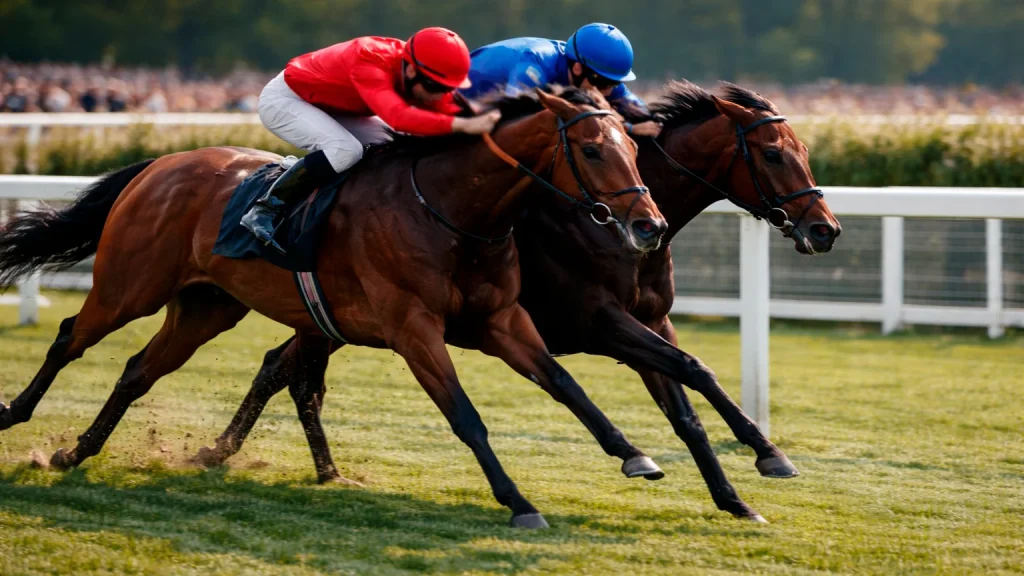
Second place in horse racing pays nothing under standard betting terms. Your selection runs the race of its life, chases down the leader, falls a neck short—and you lose your entire stake as though it had finished last. Money back offers address this brutal reality by returning stakes under specific circumstances that would otherwise produce total loss.
Royal Ascot’s competitive fields make narrow defeats common. When a dozen quality horses contest a Group 1 race, multiple runners finish within lengths of the winner. Money back specials on placed finishes transform these near-misses from total losses into stake recoveries, fundamentally changing risk profiles for bets on competitive races.
This guide catalogues the major money back offer types available during Royal Ascot, examines the terms that govern them, and explores strategic approaches to maximising their value. Understanding these promotions thoroughly converts them from marketing gimmicks into genuine risk management tools.
Evaluating Cash Refunds and Free Bet Returns
Money back if second represents the most common format. Back a horse to win, and if it finishes runner-up, receive your stake returned rather than losing it. The bet doesn’t pay profit—second isn’t winning—but eliminating loss on narrow defeats provides genuine insurance value. These offers typically apply to selected feature races rather than entire cards.
Money back if beaten by a specific margin extends protection further. “Refund if your horse loses by less than a length” covers not just second place but any narrow defeat. These offers acknowledge that close finishes involve elements beyond pure form—ground, traffic, riding decisions—that can separate winners from placed horses without reflecting true ability differences.
Falling at the last fence applies primarily to jump racing but occasionally appears in flat racing contexts where specific incidents occur. The principle remains consistent: refunds for defeats caused by circumstances beyond normal competition. Royal Ascot’s flat programme makes this variant less common than place-based refunds.
Specific scenario refunds target particular outcomes. “Money back if beaten by the favourite” refunds stakes when a specific competitor defeats your selection. “Refund if your horse leads entering the final furlong but loses” addresses collapses that frustrate punters watching apparent wins dissolve. These creative variations appear during major meetings when bookmakers compete aggressively for attention.
Betting turnover on British horseracing declined approximately 8% per race during 2024-25 compared to the previous season, according to the HBLB Annual Report. This competitive pressure drives bookmakers to offer incentives including money back specials. Understanding these offers as marketing responses to declining engagement helps evaluate their genuine value versus promotional positioning.
Non-runner money back on ante-post bets deserves separate mention. Unlike scenario-based refunds that depend on race outcomes, these offers return stakes when horses withdraw before racing. The protection addresses ante-post’s primary risk—losing stakes on horses that never compete—rather than compensating for on-track near-misses.
Accumulator money back if one leg loses overlaps with acca insurance but sometimes operates independently with different terms. Where standard acca insurance returns stakes as free bets, some money back variants offer cash refunds. The distinction matters for subsequent betting flexibility.
Terms and Conditions
Cash versus free bet refunds fundamentally affect offer value. Cash refunds return actual money you can withdraw or bet freely. Free bet refunds provide promotional credits subject to wagering requirements—typically stake-not-returned conditions meaning a successful free bet pays profit only, not the stake value. A £20 cash refund is worth £20; a £20 free bet refund is worth approximately £10-£14 depending on odds achieved.
Maximum refund limits cap your protected stake. An offer stating “money back up to £25” protects only the first £25 of any bet. Placing £50 on a horse that finishes second returns £25 while losing the remaining £25. Understanding these caps prevents overexposure beyond protected amounts. Some punters place stakes exactly matching refund limits to ensure full protection.
Qualifying bet requirements determine which bets access money back protection. Minimum odds thresholds—often evens (2.0) or higher—prevent punters claiming refunds on near-certainties where second-place finishes are rare. Maximum odds caps occasionally apply, excluding extreme outsiders. Bet types also face restrictions: each-way bets may not qualify, or only the win portion might be protected.
The remote gambling sector generated £7.8 billion in gross gaming yield during 2024-25, representing 13.1% growth according to the Gambling Commission. This competitive market drives promotional innovation, but also demands careful term scrutiny—offers that appear generous may contain restrictions limiting practical value.
Excluded markets remove certain bet types from money back eligibility. Forecast bets, tricast bets, and Tote pool wagers typically don’t qualify. Some offers exclude specific races—handicaps might be ineligible while Group races qualify, or vice versa. Reading exclusion lists prevents assuming universal coverage that doesn’t exist.
Opt-in requirements apply to many money back promotions. Failing to activate the offer before placing your bet—through promotional codes, toggle switches, or explicit opt-in pages—voids protection regardless of qualifying bet placement. Check activation requirements for each offer; assuming automatic eligibility risks disappointment when claims are rejected.
Maximising Value
Money back offers add most value on competitive races where placed finishes are likely. A two-horse race rarely produces money back claims because winners and losers are clearly separated. A 20-runner handicap with ten horses capable of winning creates multiple scenarios where strong runs end in narrow defeat—exactly the outcomes money back protects against.
Combining money back with other promotions layers protection. Using a money back offer on a horse that also qualifies for best odds guaranteed protection covers multiple risk scenarios—stake returned if the horse places, enhanced price paid if it wins at SP better than your taken price. Checking which offers stack before placing creates maximum value extraction.
Strategic bet selection considers money back probability. Backing a confirmed front-runner in a slowly run race might produce a win or a tired fade to fifth—but probably not second. Backing a hold-up horse with a strong finish suits money back conditions better because these types frequently run into places without quite winning. Matching running style to refund terms optimises protection relevance.
Anne Lambert CMG, Interim Chair of the HBLB, acknowledged that “racing is facing significant challenges” in recent reporting. These challenges manifest partly through promotional competition where bookmakers offer increasingly creative incentives. Sophisticated punters leverage this competition by systematically accessing money back offers across multiple operators.
Don’t inflate stakes purely because money back protection exists. The offer reduces downside risk but doesn’t eliminate it—a horse finishing third or worse still loses your stake entirely. Maintain normal stake sizing for your bankroll, treating money back as bonus protection rather than as licence to overbet. The feature enhances existing bets rather than transforming losing propositions into good ones.
Responsible Gambling
Money back offers can create false security about betting risk. Protection against specific scenarios doesn’t eliminate the fundamental reality that most bets lose. Treating money back as comprehensive insurance rather than partial protection leads to overconfidence that stake sizing should reflect.
Promotional chasing—betting specifically to access money back offers rather than because selections represent value—distorts sound betting practice. If you wouldn’t back a horse without the money back offer, adding protection doesn’t transform a bad bet into a good one. Use promotions to enhance decisions you’d make anyway rather than as primary motivations.
Track your money back claims alongside regular betting results. Understanding how often you actually receive refunds—and their value relative to total stakes lost—provides realistic assessment of promotional benefit. Resources including GambleAware at 0808 8020 133 offer support for anyone finding gambling behaviour difficult to manage.
